

The holidays are a joyful season filled with family gatherings, gift-giving, and travelling to visit loved ones locally or abroad. Unfortunately, this time of year also creates prime opportunities for scammers.
The good news? With awareness and a few smart moves, you can protect yourself and your loved ones. In this Remitly safety guide, we’ll cover the most common holiday scams in Canada. We’ll also cover what to do if you’re targeted, warning signs to watch out for, and smart protection strategies to stay safe during the holidays and beyond.
What are the most common holiday scams targeting Canadians?
According to the Canadian Anti-Fraud Centre (CAFC), people across the country lost more than $638 million CAD to fraud in 2024 alone. The holiday season is typically a high-risk period, as more Canadians shop, travel, and donate—creating more opportunities for scammers to take advantage.
While these cons take on different forms, some are more common than others during this period:
Fake online shopping sites and social media ads
Holiday shopping can be exciting, but it can also make you a prime target for online scams. Fraudsters often design fake websites and promote their fake business through social media ads.
These sites may sell counterfeit products, like designer handbags or electronics, or advertise deals that simply don’t exist. Once you make a payment, your order may never arrive.
Delivery scams
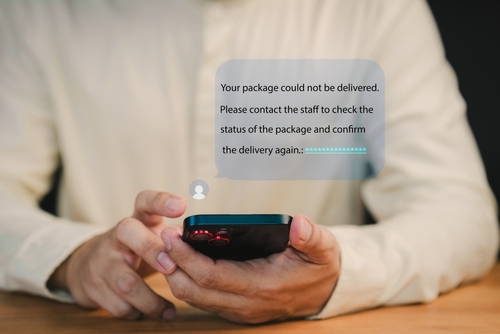
When deliveries pile up, as they often do during Christmas, it’s easy to fall for a “missed package” text scam. These messages claim that postal services are holding your parcel for unpaid customs fees or to verify your address.
However, they also include a malicious tracking link. Despite it seeming official, clicking this link may direct you to a fake Canada Post page to collect payment information or install malware on your device.
Romance Scams
Scammers often exploit loneliness and the desire for connection during the holiday season. They may pretend to offer friendship or romance, using emotional manipulation to build trust before stealing money or information.
Charity and donations scams
Sadly, scammers do their best to exploit the spirit of giving, turning what should be charitable gestures into an opportunity to exploit others. They might create fake charities or crowdfunding campaigns for social media, often using emotional stories or names that sound local.
Also, urgent pleas that demand immediate action may spike at this time, and door-to-door collections may employ more aggressive tactics than usual.
Travel and vacation rental fraud
Looking for a winter escape to Banff or Whistler? Or perhaps you’re heading south to Mexico for some sun? Look out for fake rental listings with offers that seem too good to be true. This might be challenging, as scammers now use professional-quality photos and realistic web pages to trick unsuspecting holidaygoers. After you send a deposit, they vanish, and the property no longer exists.
Others offer “discounted airline tickets” or “special travel insurance” to capitalize on people’s love for a good deal.
Red flags that signal a holiday scam
Knowing what to avoid is the first step to staying safe amid the festivities. While each type of scam has its own characteristics, they all share several key features that should trip your warning bells:
- Unusual payment requests from strangers, such as gift cards, wire transfers, cryptocurrency.
- Urgent or threatening messages demanding immediate action.
- Spelling or design errors on official-looking emails or websites.
- Too-good-to-be-true deals requiring fast payment.
If you notice these signs, pause and take steps to protect yourself and your money, starting with the tips below.
How to protect yourself this holiday season
Now that you know what to look out for, what can you do to stay safe from holiday scammers? Here are a few easy-to-use tips:
Shop safely online
Stick to trusted websites and always check for “https” in the URL. When shopping online, type the retailer’s web address directly into your browser instead of clicking links from ads or emails. If you’re unsure about a website or seller, check BBB’s Scam Tracker to see if others have reported suspicious activity before making a purchase.
Be cautious with unsolicited messages or new online contacts
Scammers often pretend to be someone you trust—like Canada Post or a new romantic interest. Whether it’s a “missed delivery” or “I miss you” message, take a moment to verify by doing a bit of research and checking with a friend before you click or reply. Go directly to the company’s official site to check the status of anything you’re waiting on, and be cautious when sending money or personal details to someone you haven’t met face-to-face.
Confirm the status of charitable organizations
Before making any donations, verify that a charity is properly registered and in good standing using the CRA List of charities and Charity Intelligence Canada. Avoid high-pressure pitches or requests for cryptocurrency or wire payments.
Secure your travel plans
Always book through reputable platforms. Take time to research the property and read reviews from past guests before paying. Confirm the listing by contacting the property owner or management through the platform’s messaging system.
Protect your personal information
As retail and travel become more digital, keeping your personal and financial data safe is essential to the process. Take these steps proactively to protect yourself:
- Enable two-factor authentication on all accounts
- Use strong, unique passwords
- Set up account alerts to track suspicious activity
What to do if you’ve been targeted
That said, it’s important to recognize that you might still be the target of a scam attempt during this festive time, despite your best efforts. Don’t be too hard on yourself; thousands of people experience the same challenge every year.
So, what should you do in case the worst happens?
- Take immediate action, including contacting your bank or credit card provider. Change passwords and enable two-factor authentication, and keep screenshots, emails, and texts as evidence.
- Make a report to Canadian authorities like the local police and the Canadian Anti-Fraud Centre.
- Share your experience to warn family and friends about scam tactics, especially seniors and newcomers. Also, report fake listings or social accounts to the relevant platform.
Don’t let holiday scams stop the festive cheer
Being smart about scams doesn’t have to mean missing out on the holiday fun. Remember, most scams are easy to spot once you know the signs. By applying these steps and spreading awareness, you can keep your finances and personal information safe while enjoying every bit of the merrymaking.
FAQs
What is the CAFC?
The Canadian Anti-Fraud Centre is a national reporting and data hub run by the Royal Canadian Mounted Police (RCMP), Ontario Provincial Police (OPP), and Canada’s Competition Bureau. The agency tracks scams, assists police with prevention efforts, and issues warnings to the general public.
How do I report scams in Canada?
In the event of a scam incident, file a report online or by phone with the Canadian Anti-Fraud Centre. If you’ve lost money, also contact your local police.
How can I protect elderly family members from scams?
Educate them about red flags, help them verify suspicious messages or links, and share resources to help them stay safe.